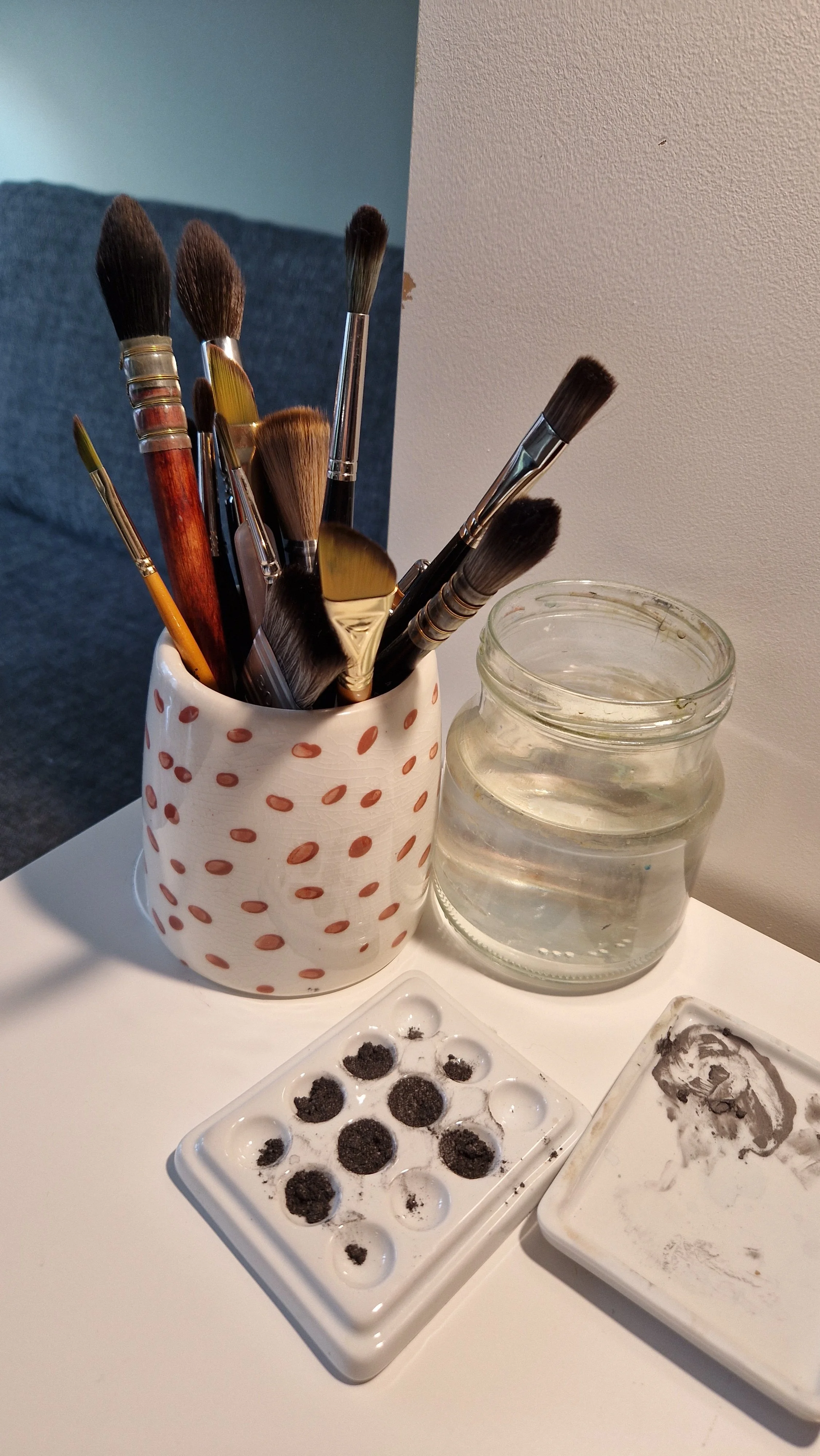
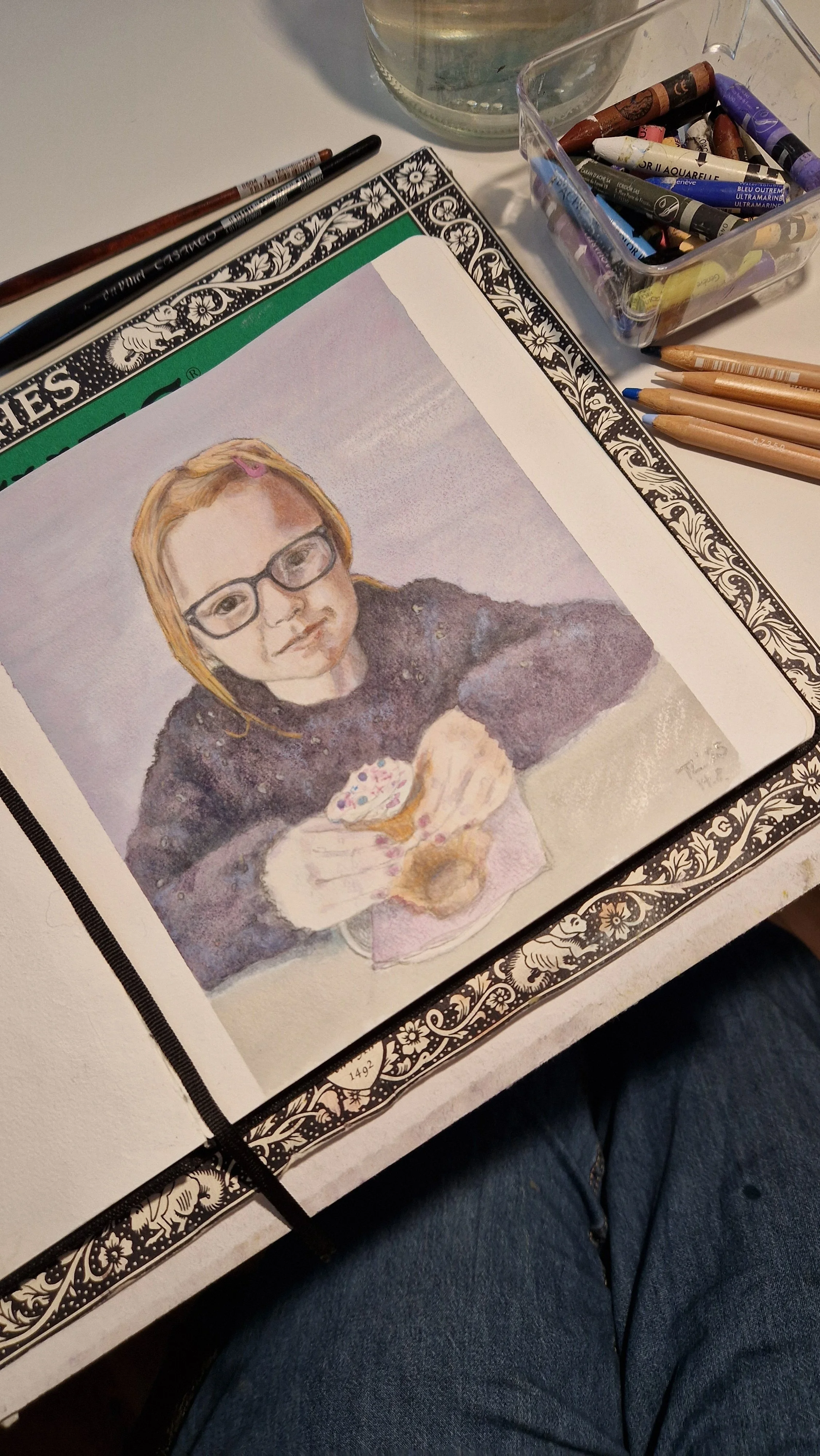
I want to explain a bit about what materials I use, and why.
I was lucky enough to have a steady supplier of high quality art materials throughout my childhood, as my grandmother (whose sister was an artist) and grandfather would, more often than not, give me art supplies for my birthdays and Christmas. At the time I was just happy to get lovely supplies, but I actually think that these gifts played a big part in how much I enjoyed the process of creating.
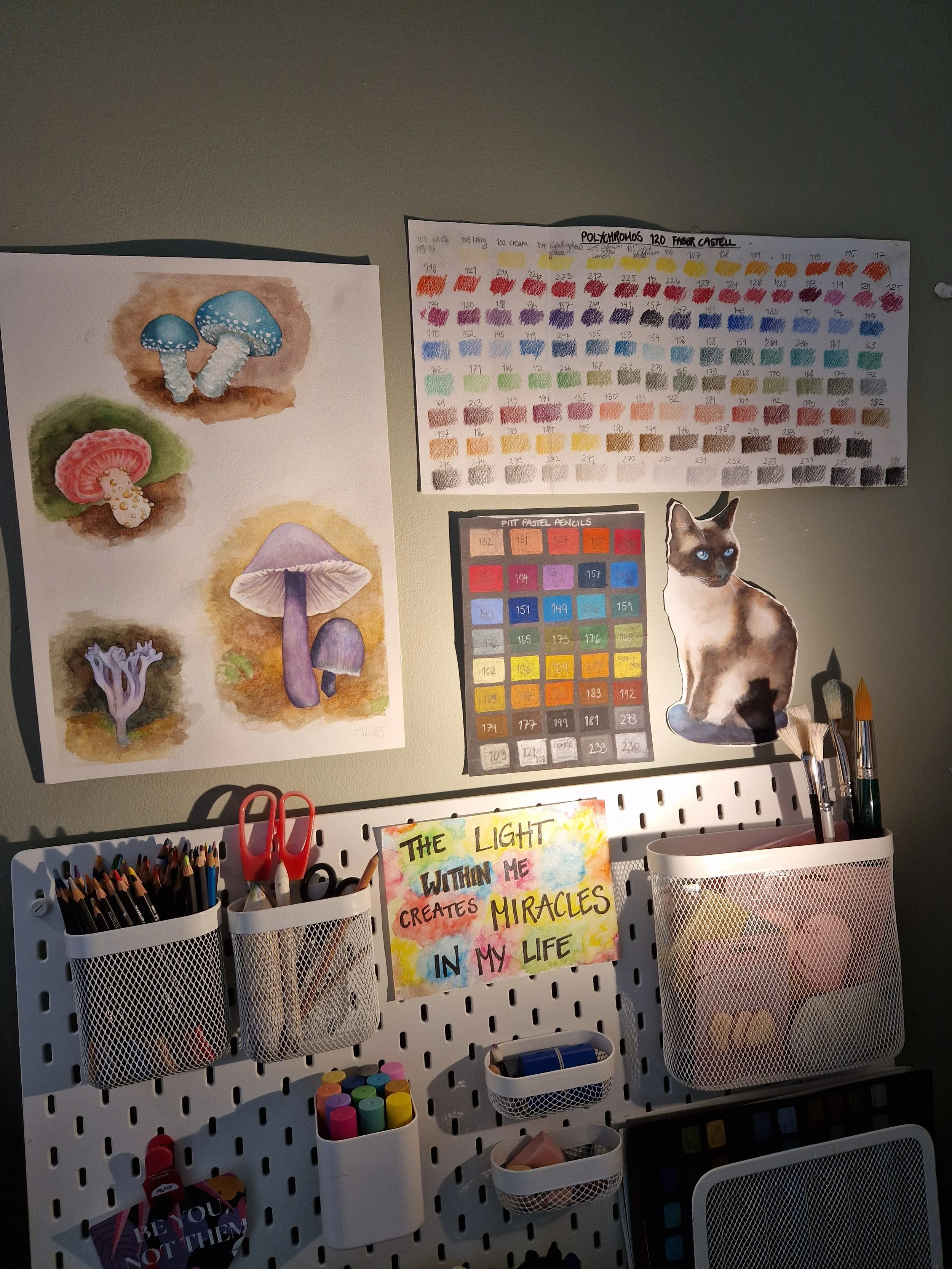
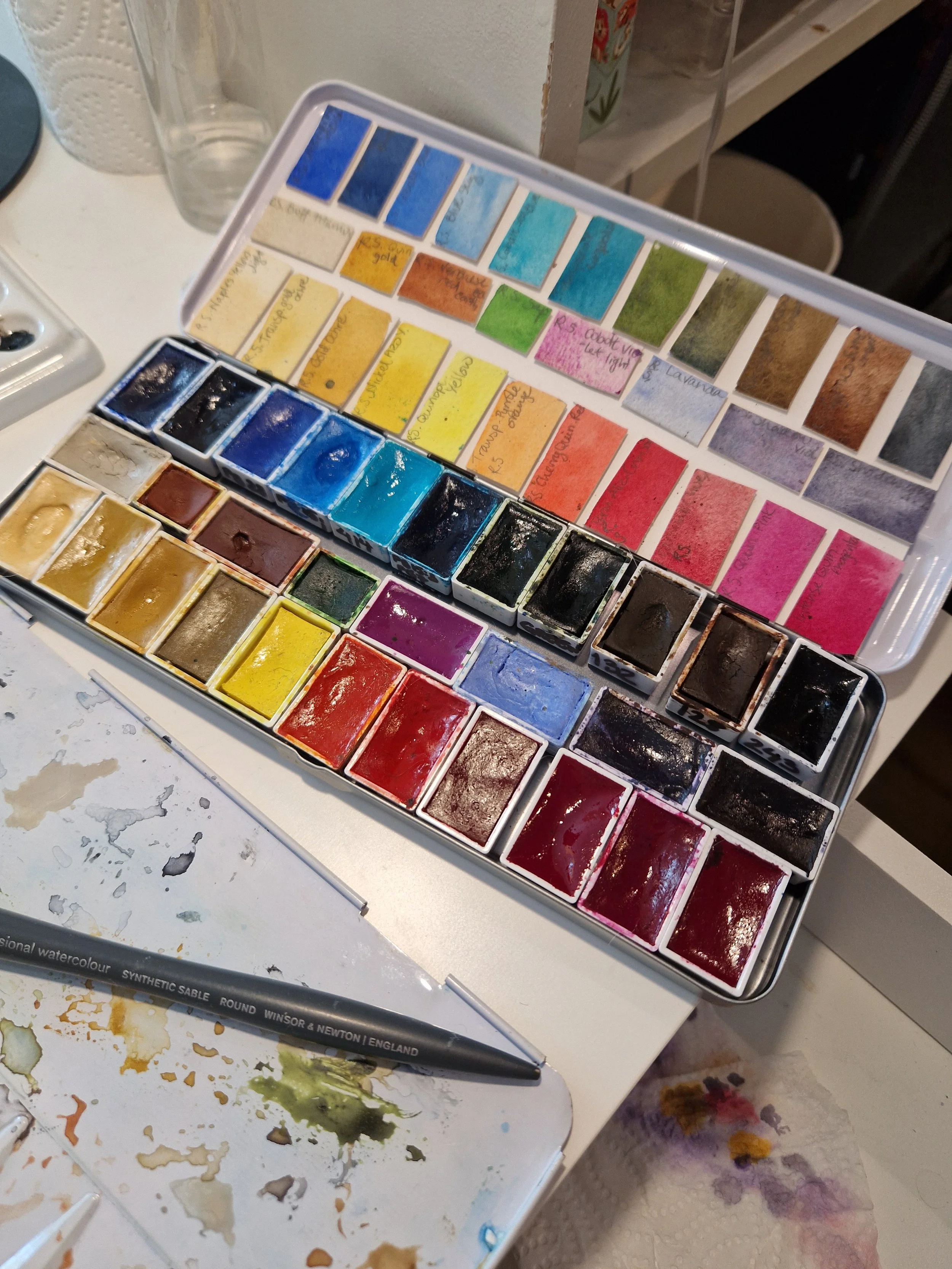
You always need to swatch it out (and it's so much fun)!
There are two main reasons why you should invest in quality when it comes to art supplies. Firstly, they actually make you a better artist. Or rather they make it easier to create. Anyone who has tried to paint a watercolour on copy paper and then swaps to 100% cotton will know what I mean. Some things in the art supply world are snobbery and trends, but a lot of the time there is a direct correlation between the quality of the materials and the quality of the artwork.
I thought I was really bad at watercolour up until about five years ago, to the point where I didn't even do it at all for about twenty years. Then I did one online course, bought one pad of fancy paper, and now it is my favourite medium. A smaller amount of a high quality supply beats more of a lower quality one every time. And they last! I have supplies that I got for my 18th birthday that are still fully functioning.
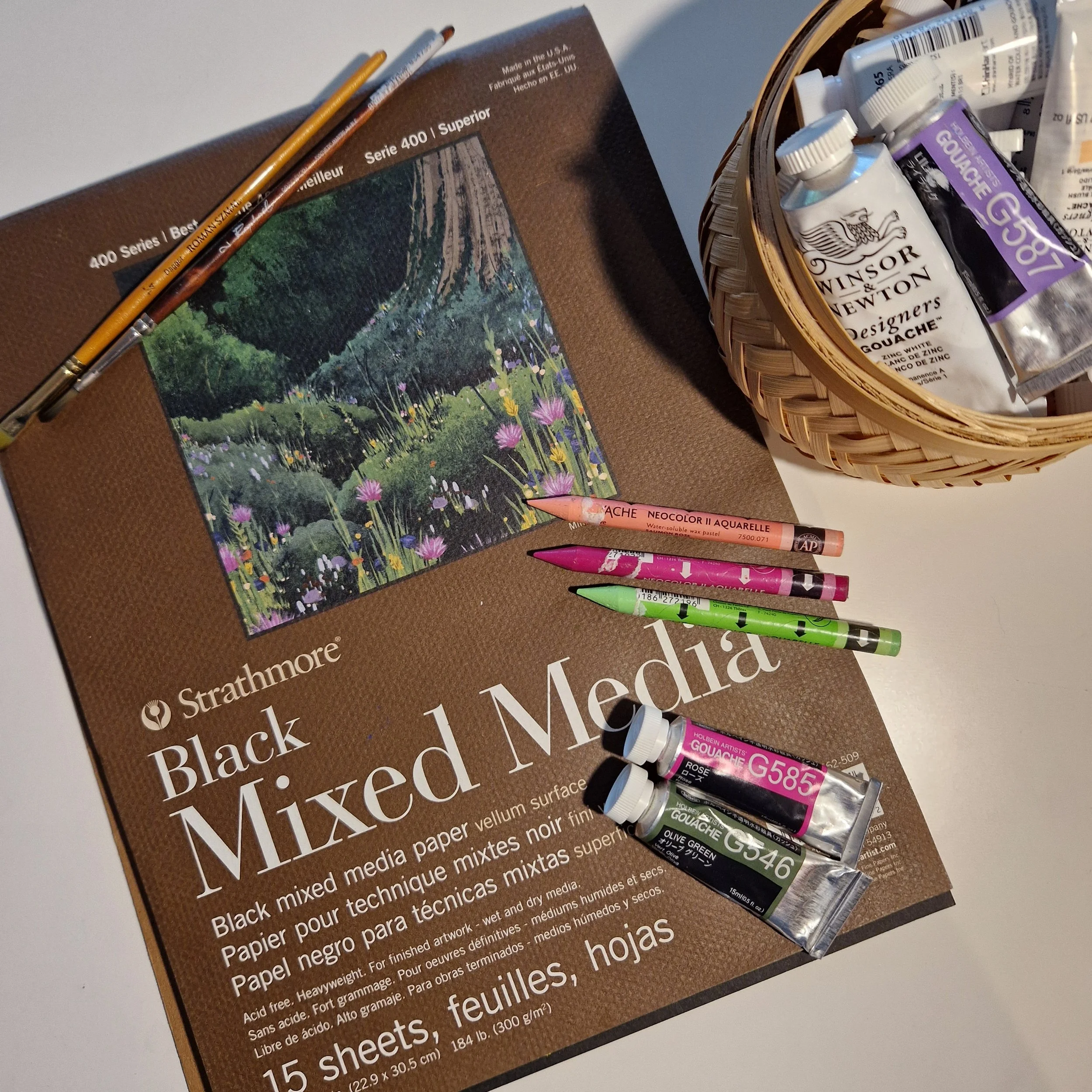
Mixed media needs thick paper!
The second and most important aspect is that art made with quality materials stands the test of time. You'd be surprised at how much a colour can deteriorate over time if it is not lightfast, and how much of a difference it can make. If you consider the fact that in a portrait, (caucasian) skin colour is mostly made from a mixture of yellow and red in, and then that the colour red is one of the most likely to fade fast, you start to pay attention! Imagine the skin colour on your painting after a few years being almost yellow.
Looking at it this way, using supplies that you know will retain their look for the forseeable future is essential for an artist that is selling their work. There are official standards for lightfastness and archival standards, and there are also artists doing and publishing their own tests, and this is widely available for anyone interested. A painting is an investment for the buyer, and so the artist should make sure to invest the necessary money and research as well.
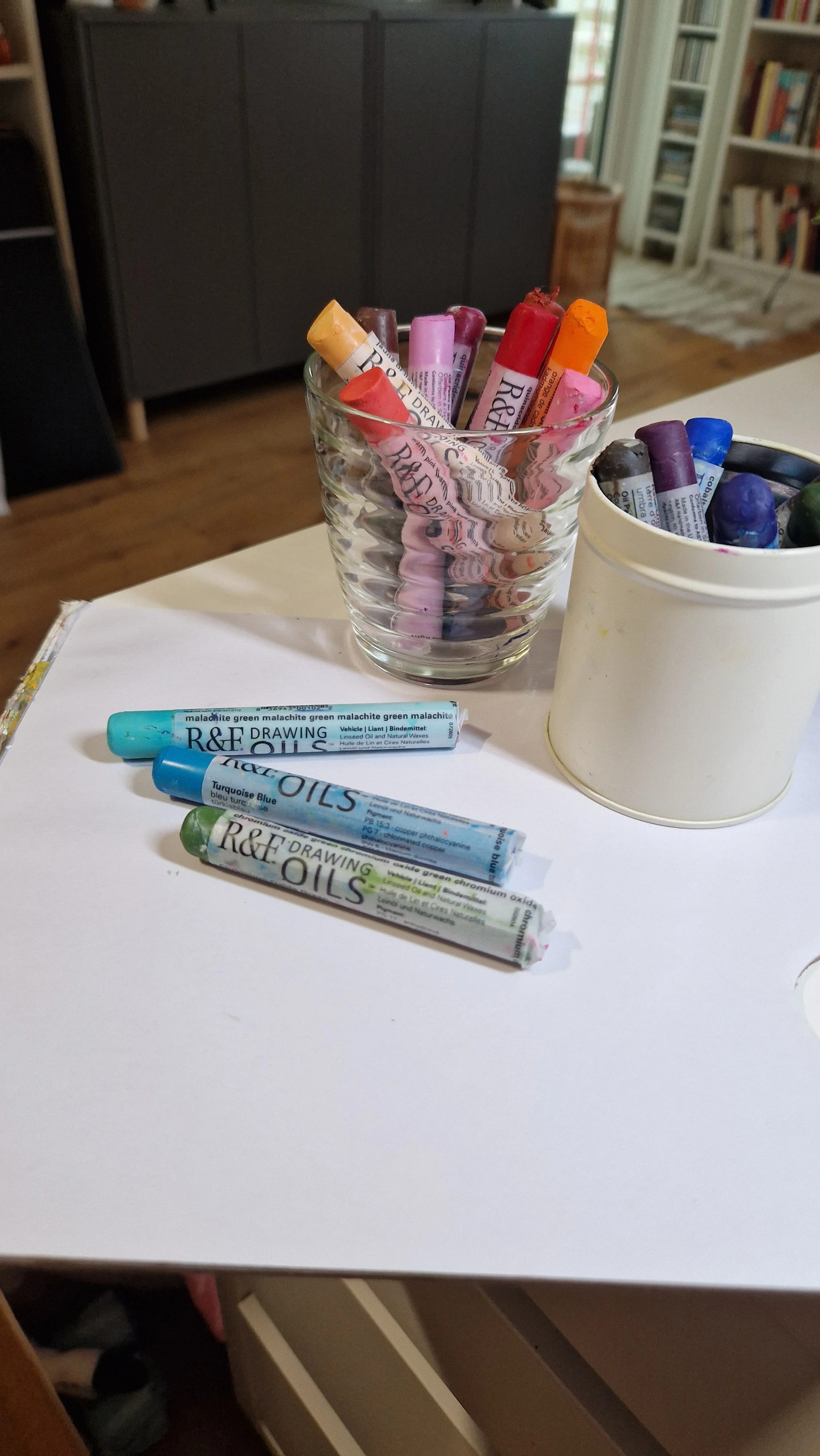
There is literally no end to the fun materials to be found.
So whether or not an artist likes to nerd out completely on pigment numbers and the other qualities of their paints and supplies, they need to know for certain that they are lightfast and archival. Certain colours are, like I mentioned, more prone to fading than others, certain groups of colours are known for their lightfastness. I would say a basic knowledge of pigments and how they act and interact is also important.
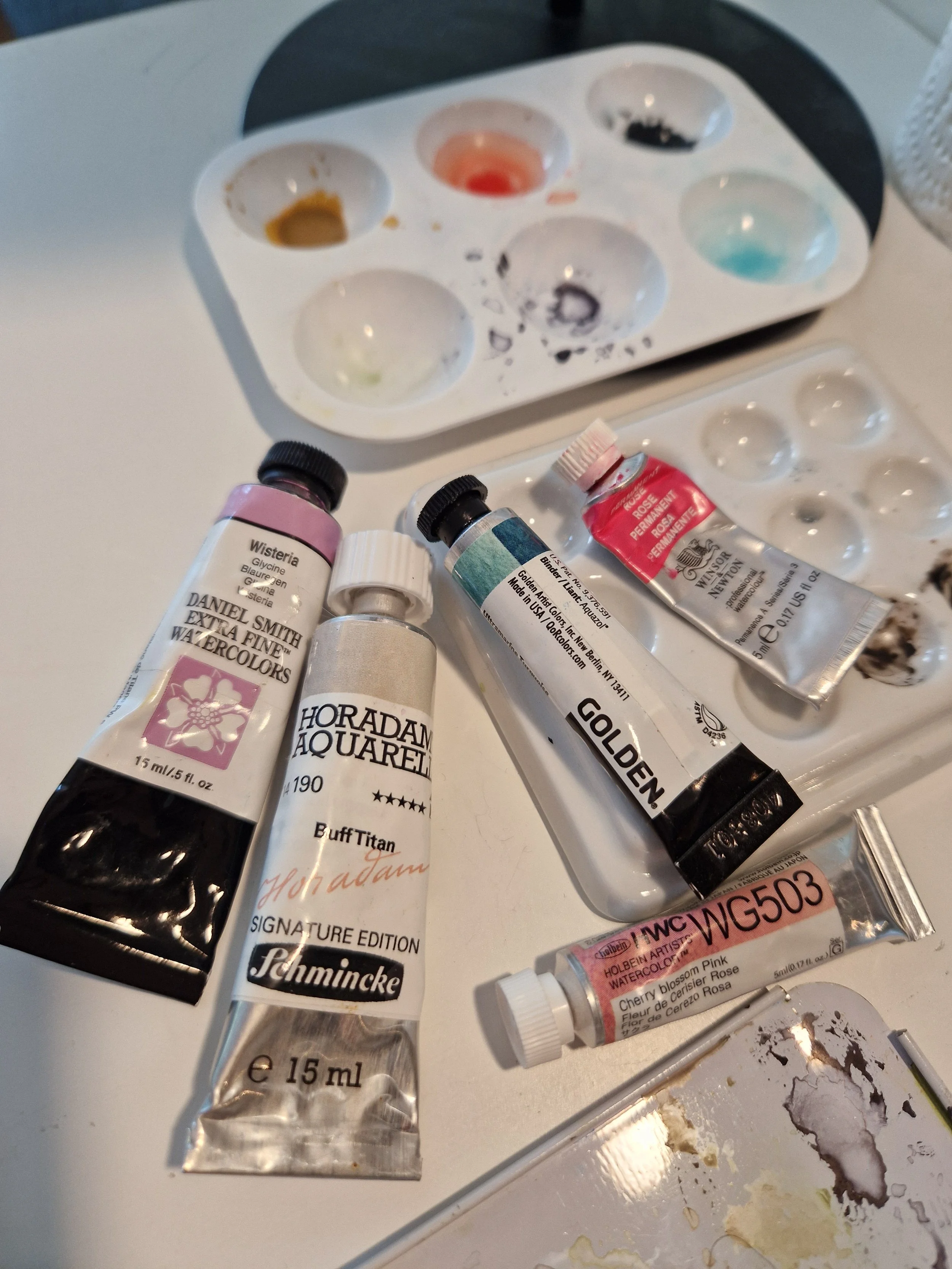
As a general rule you can say that when it comes to paint, the more pigment it contains the better. And when it comes to pigments that you get what you pay for. High quality will get a visually superior result as well as the knowledge that your paintings will stay beautiful.
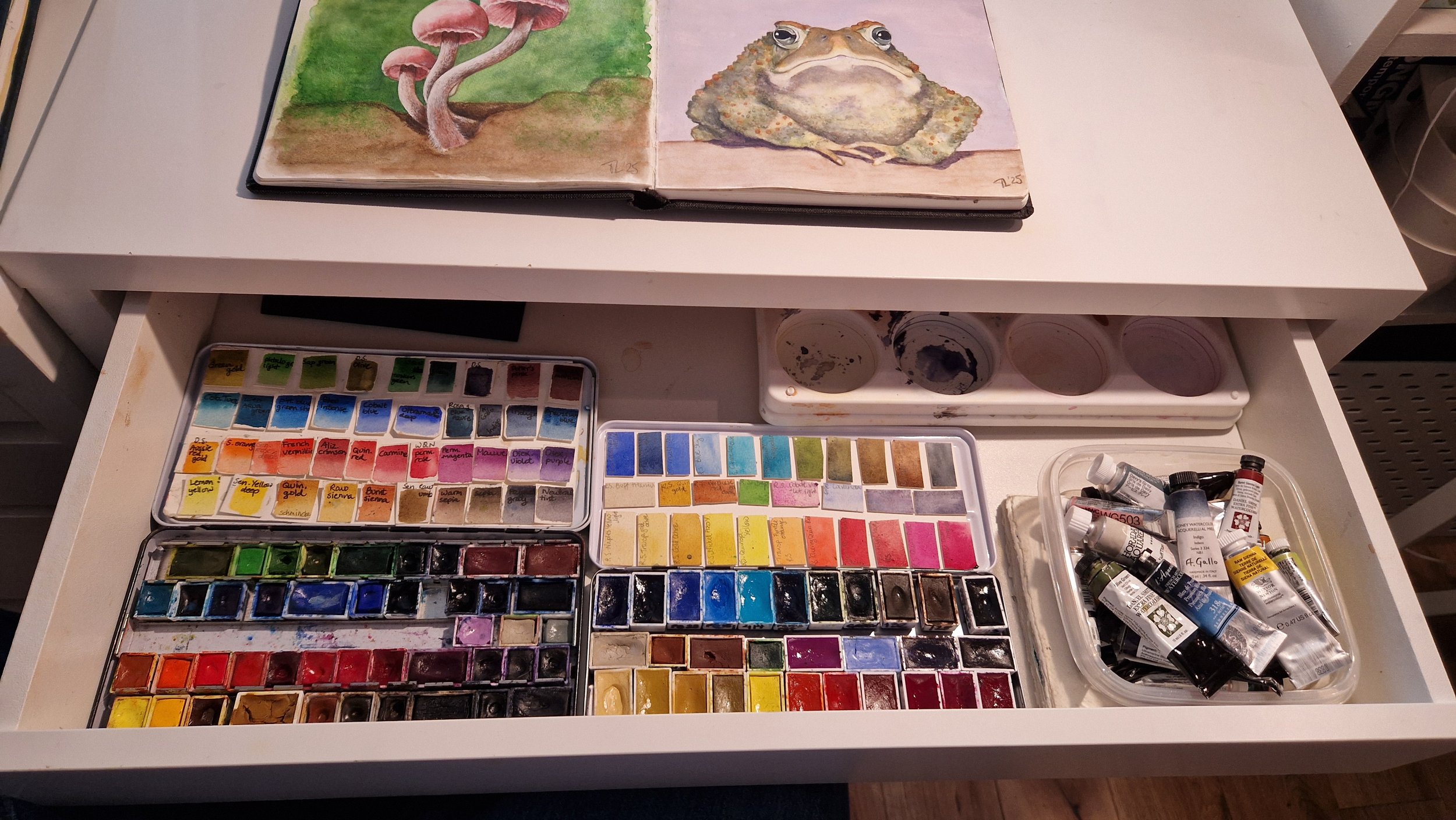
My favourite watercolurs are always ready for action!
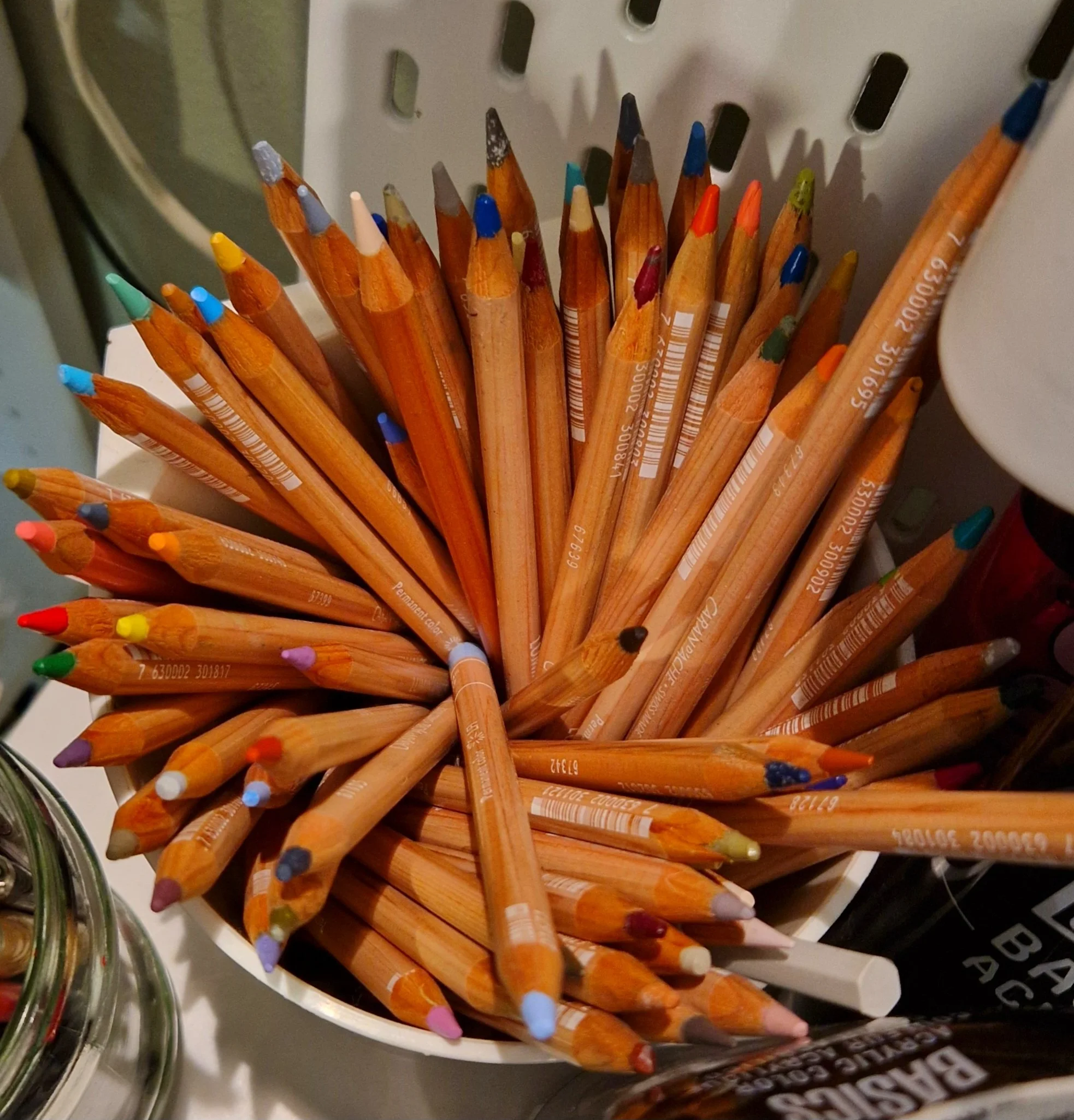
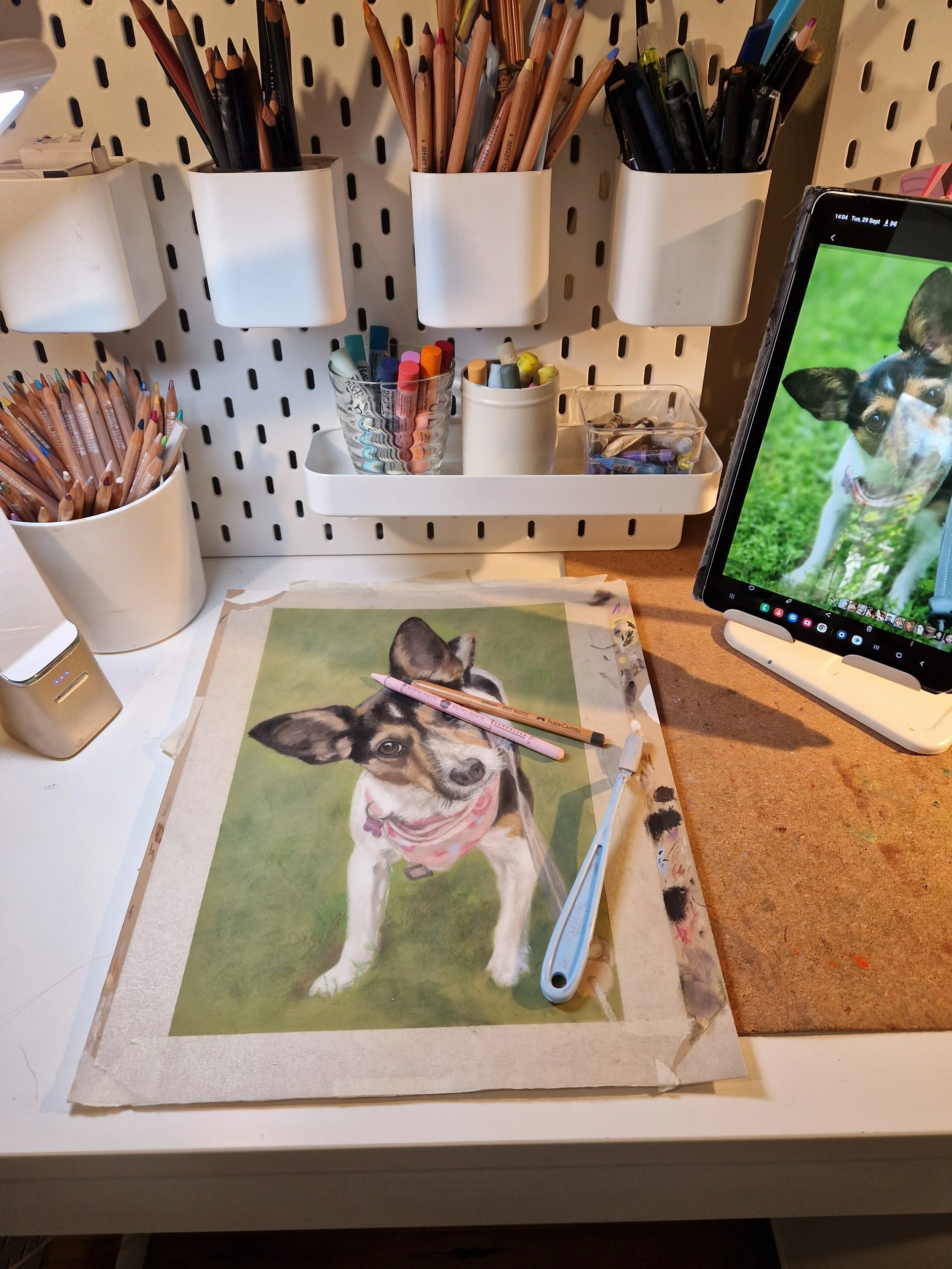
I could go on forever about paper, colour, pigments and brushes (as my friends and family will attest to), but for now I want to list the main supplies I use, so that there's no doubt about the archival quality of any work I might sell.
Paper: Arches, St. Cuthbert’s Mill, Fabriano, Pastelmat, Magnani and Sennelier
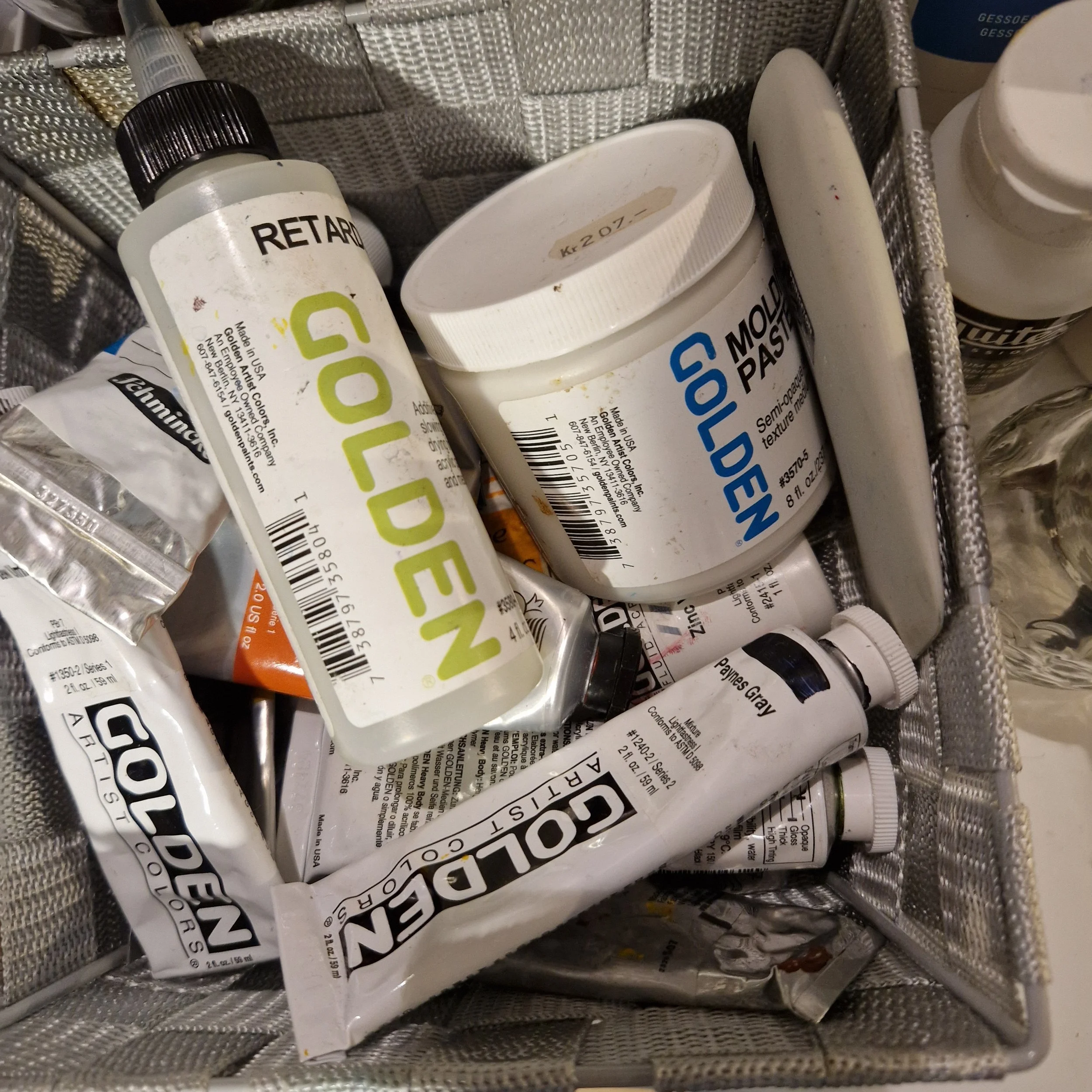
Paints and paint mediums: Daniel Smith, Q or, Winsor & Newton, Golden, Liquitex, Holbein, Schmincke, Caran D Ache
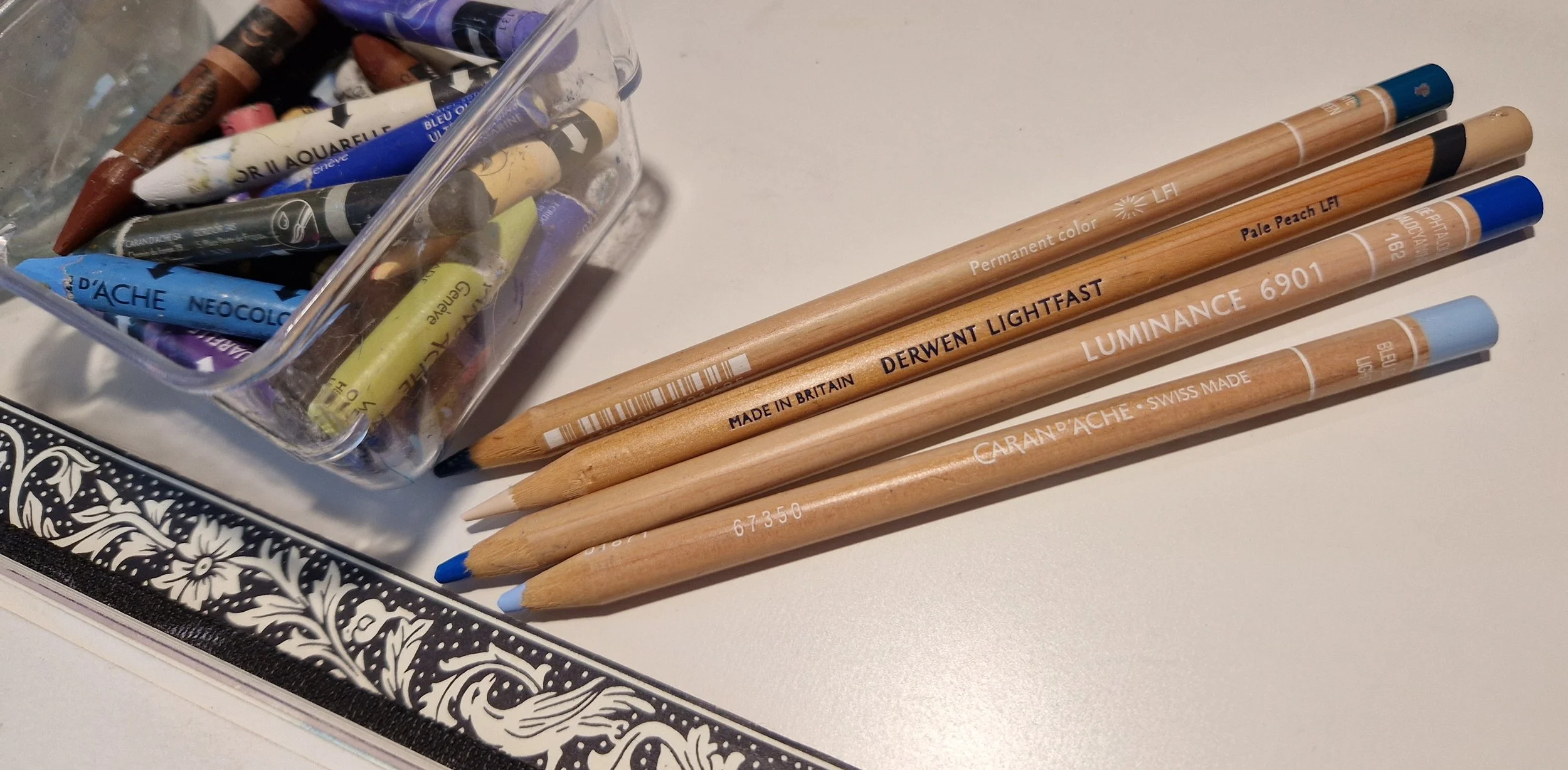
Coloured and watercolour pencils: Faber Castell, Caran D Ache, Derwent
Pastels: Sennelier, Pan Pastel, Schmincke, Faber Castell
In my sketchbooks anything goes, and there are LOTS of fun supplies for art that you don't need to last forever, but these are roughly what I use on any work I plan to sell or give away.
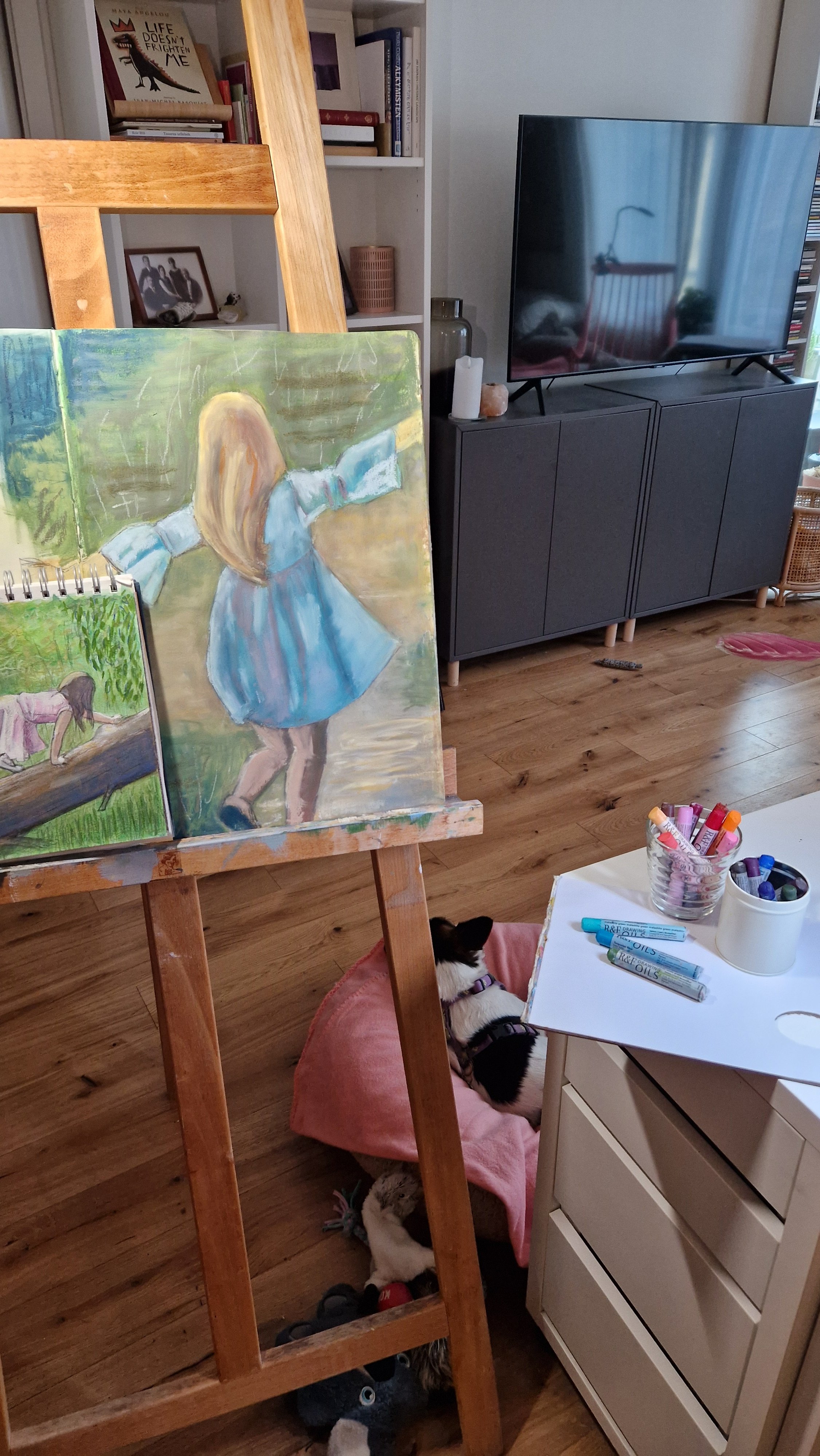
Sketchbook fun!
In a sketchbook lightfastness doesn't really matter, so you get to mess around with any materials you like
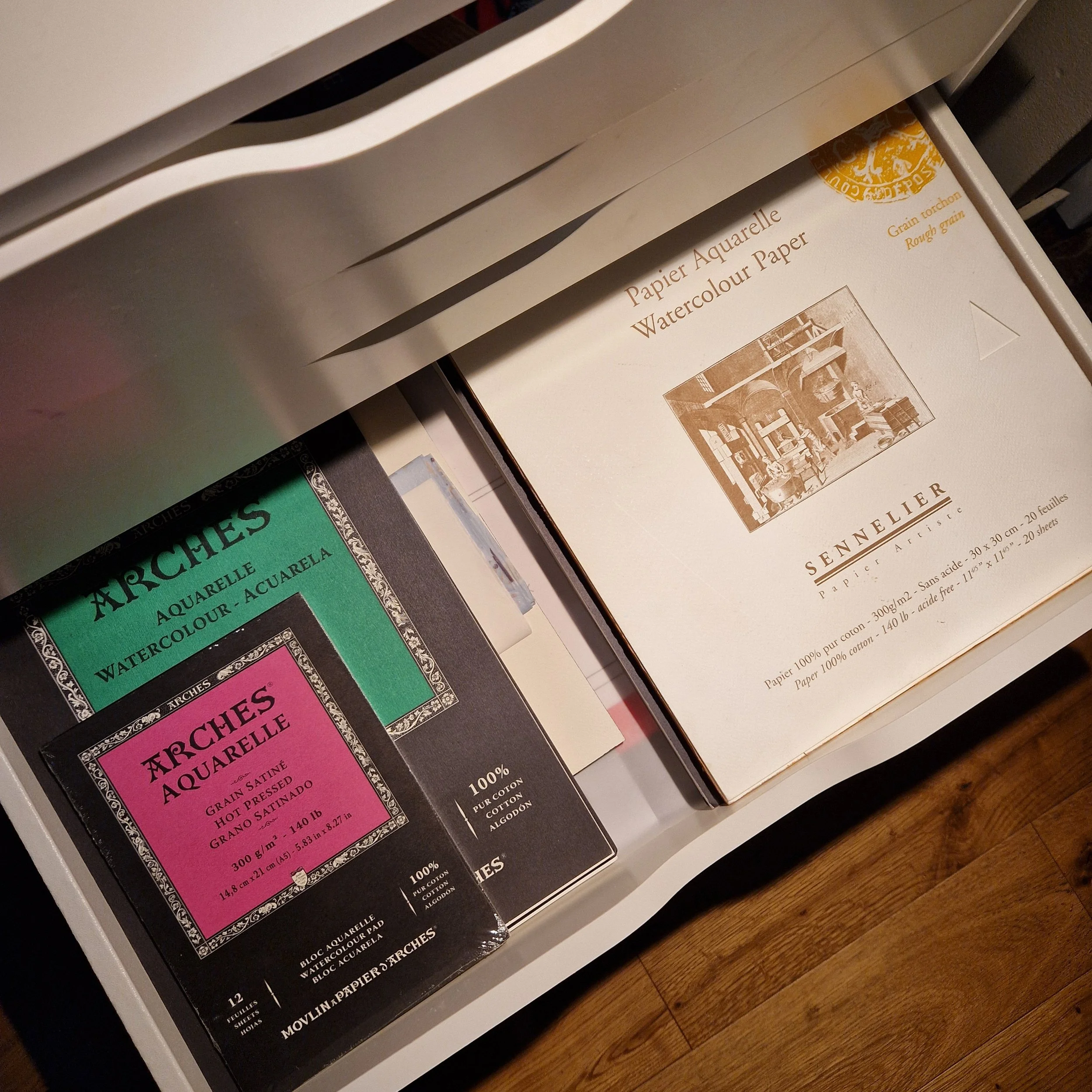
The Good Paper Drawer
(Well one of them) The furniture in my studio space is bought second hand, the money goes to the supplies of course!
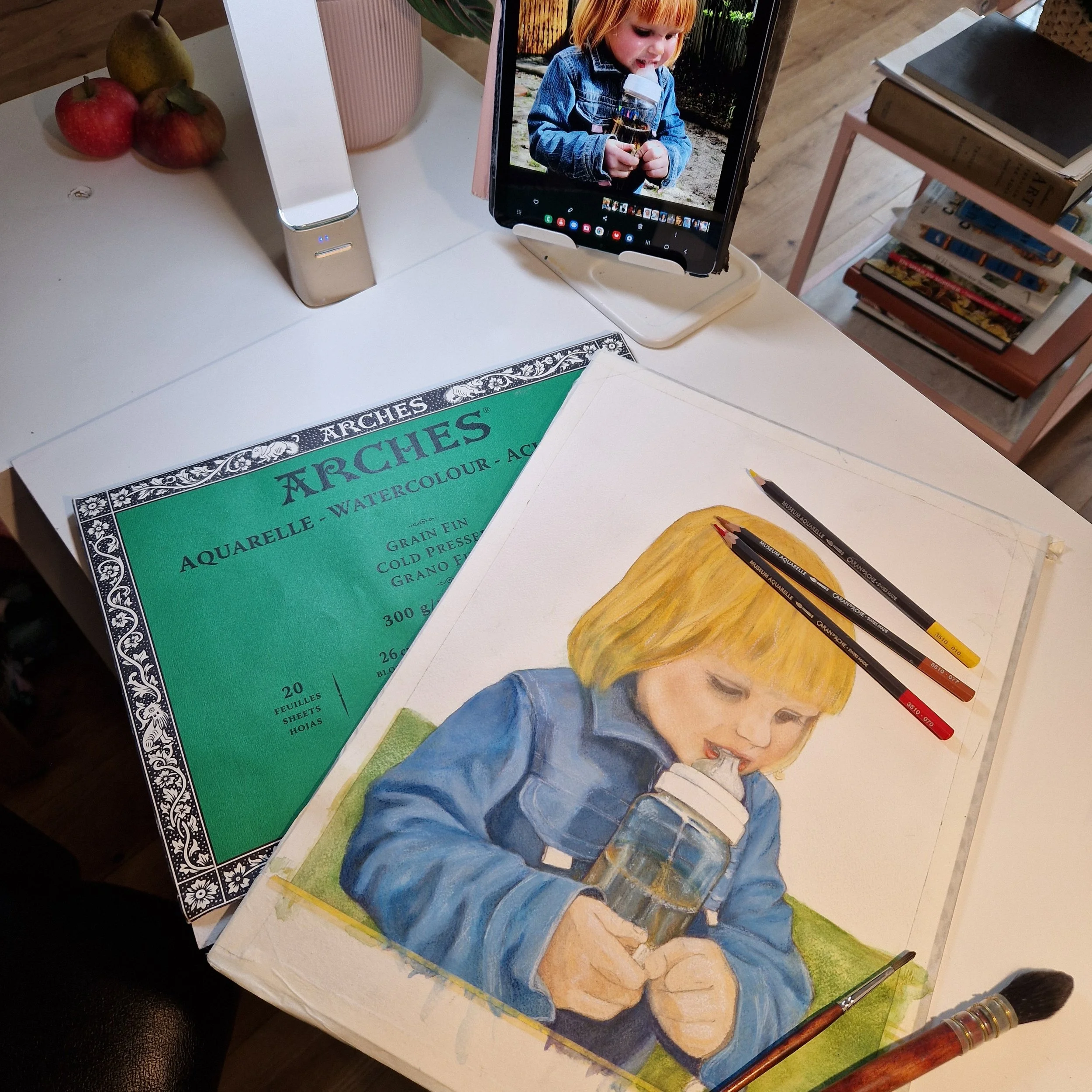
Recently I have really been enjoying mixed media, you get to use a little bit of everything (and try out all the fun stuff they have in the art shop. A very high percentage of any money I make from selling or teaching art goes straight to new supplies)!